

Parenting & Perinatal Mental Health Therapy in Texas | Culturally Affirming Therapy

Motherhood & Fatherhood
Becoming a parent, or preparing to become one, can bring up emotions you didn’t expect. Alongside love and excitement, there can also be anxiety, overwhelm, and identity shifts. You may be a seasoned parents who is trying to navigate the pressure to “get it right.”
For many South Asian & SWANA (Middle Eastern) Muslims, and immigrant families, parenting is not just personal, it is deeply shaped by culture, family expectations, and generational patterns. You may find yourself trying to honor how you were raised while also wanting to do things differently for your child. That tension can feel confusing.
You don’t have to navigate this alone.

Perinatal Mental Health Support
The transition into parenthood can be one of the most vulnerable periods in your life. Many people experience:
Increased anxiety or intrusive thoughts
Mood changes or emotional overwhelm
Difficulty adjusting to a new identity
Feeling alone, even with support around you
More arguments, resentment or anger towards your partner
These experiences are more common than people talk about, and they are techniques we can use to help you find relief.
Therapy can help you feel more stable, supported, and connected during this transition.
Parenting is hard, you deserve support
I provide virtual therapy for clients across Texas, including Houston. This allows you to access support from your home during pregnancy, postpartum recovery, and early parenting times when leaving the house can feel especially difficult. Navigating parenting, pregnancy, or postpartum challenges and want support that understands both your emotional experience and your cultural context, you’re not alone.
If you are navigating parenting, pregnancy, or postpartum challenges and want support that understands both your emotional experience and your cultural context, you’re not alone.
Schedule a consultation to see if we’re a good fit.
-
Parents navigating stress, overwhelm, or emotional changes during pregnancy, postpartum, or early parenthood
South Asian, Muslim, and immigrant parents balancing cultural expectations with their own parenting values
Parents who feel pressure to “get it right” while managing work, family, and daily responsibilities
Individuals reflecting on their upbringing and wanting to parent differently
Parents who want to break or shift generational patterns while staying connected to their families
Parents experiencing anxiety, guilt, or emotional exhaustion
Caregivers who want support in showing up more intentionally in their relationships with their children
-
Feeling overwhelmed, anxious, or emotionally stretched thin
Guilt around not doing enough, doing it “right,” or wanting space for yourself
Difficulty adjusting to the identity changes that come with becoming a parent
Feeling triggered by your child’s needs or behaviors in ways you didn’t expect
Pressure from family or community around how you “should” be parenting
Constant mental load—thinking about what needs to be done, remembered, or managed
Feeling disconnected from yourself, your partner, or your support system
Wanting to parent differently than how you were raised, while feeling unsure how to actually do that
Not wanting to pass down hurtful patterns, but noticing them show up in moments of stress or overwhelm
-
Moms are not the only ones who experience perinatal mental health struggles. Dads struggle too. I help dads find words to describe what they are going through and learn skills that help them navigate their overwhelm, get to know their new identity of being a father, create purpose in fatherhood, and communicate with their partners in a healthier way.
-
My approach to working with parents is collaborative, reflective, and grounded in an understanding of how your own experiences shape the way you show up in parenting.
Becoming a parent often brings up parts of your own upbringing, sometimes in ways that feel unexpected. In our work together, we create space to understand these patterns with care rather than judgment, while also supporting you in responding to your child in ways that feel more aligned with your values.
This includes gently exploring generational patterns, what you may have experienced growing up, what you want to hold onto, and what you want to shift, so that you can move toward parenting in a way that feels more intentional and sustainable.
This is not about becoming a “perfect” parent or completely undoing the past. It is about increasing your awareness, building emotional capacity, and creating more supportive ways of relating to your child and your family over time.
We also consider the broader context you are parenting within, including cultural expectations, family dynamics, and the realities of balancing multiple responsibilities, so that the support you receive feels realistic and relevant to your life.
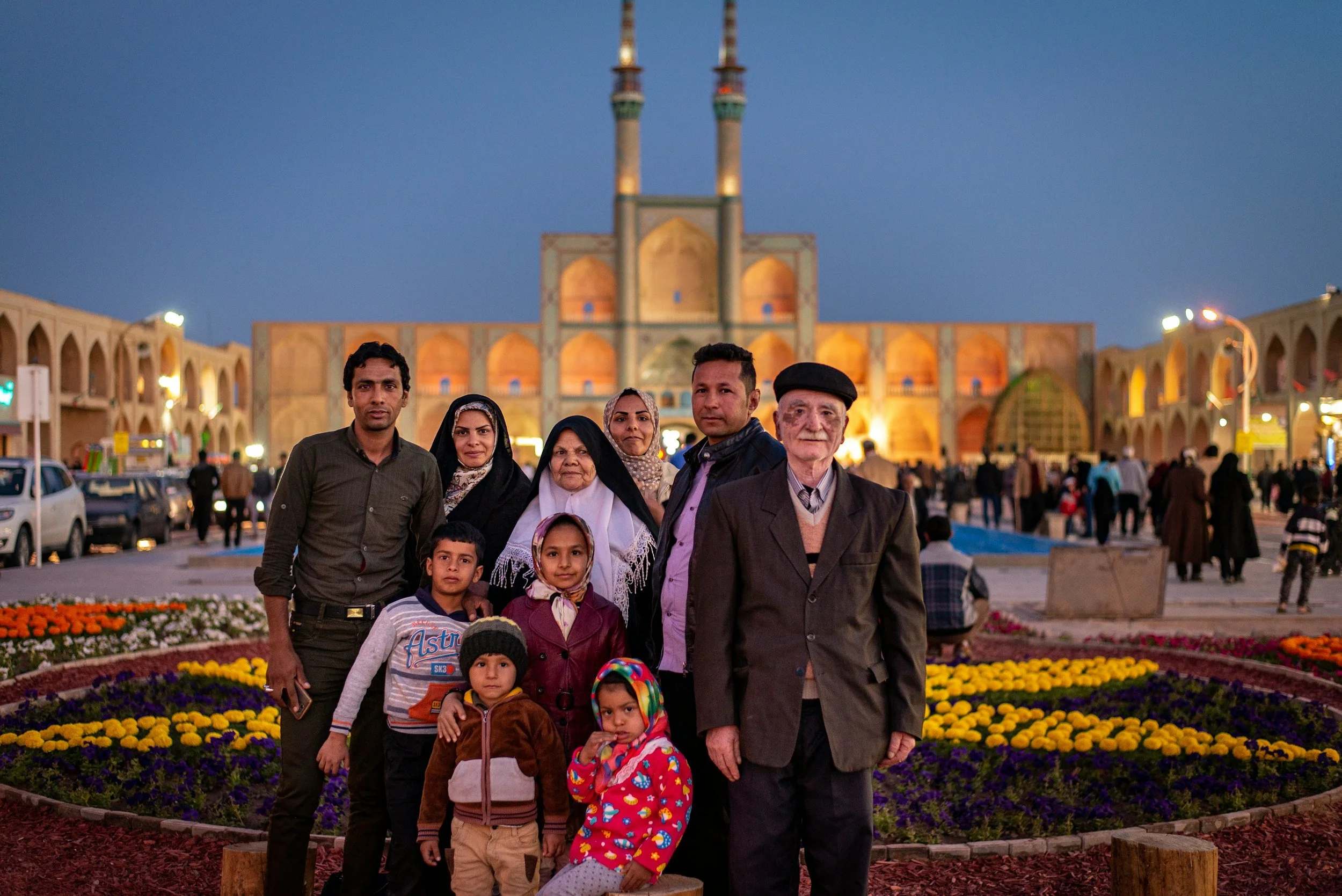
A Culturally Responsive Approach to Parenting
Parenting does not happen in isolation. It is shaped by what we experienced growing up, what was modeled for us, and what is expected of us now. Many of the parents I work with are also navigating broader identity and family dynamics. You can learn more about my work with South Asians, Muslims and immigrant families in Texas here.
In our work together, we will:
Explore how your upbringing and cultural context shape your parenting
Create space for both your values and your child’s needs
Build tools to respond rather than react in moments of stress
Work through guilt, pressure, and internal conflict
Support your emotional wellbeing so you can show up more fully as a parent
This is not about becoming a “perfect parent.”
It is about becoming a more grounded, intentional, and supported one.